
01
File the petition with the court
A family member, or the person named in the will, files a petition with the probate court in the county where the deceased person lived. The court schedules a hearing, usually a few weeks out.
Probate and estate home sales
When a parent or partner passes away, the family home doesn't belong to anyone until a will, a trust, or the court says who gets it. This page explains what probate is, when a California home needs it and when it doesn't, how the process works step by step, and how I help families sell estate homes with less stress.
The basics
Probate is the court-supervised process of moving a deceased person's property to the people who inherit it. If your family member left a will, the court checks that the will is valid, names the executor, and gives that person the legal authority to manage the estate. If there is no will, the court appoints an administrator, and California law decides who inherits in a fixed order, starting with the spouse and children.
Probate is not a tax and it is not a punishment. It is a legal checklist that protects everyone: it makes sure debts are paid, taxes are handled, and the right people receive the right property. For many families it is the calmest, safest way to transfer a home, even if it takes time.
The most important point
Probate only covers property the deceased person owned in their own name. Homes held in joint tenancy, assets in a living trust, and accounts with named beneficiaries usually pass outside probate entirely.
The family home
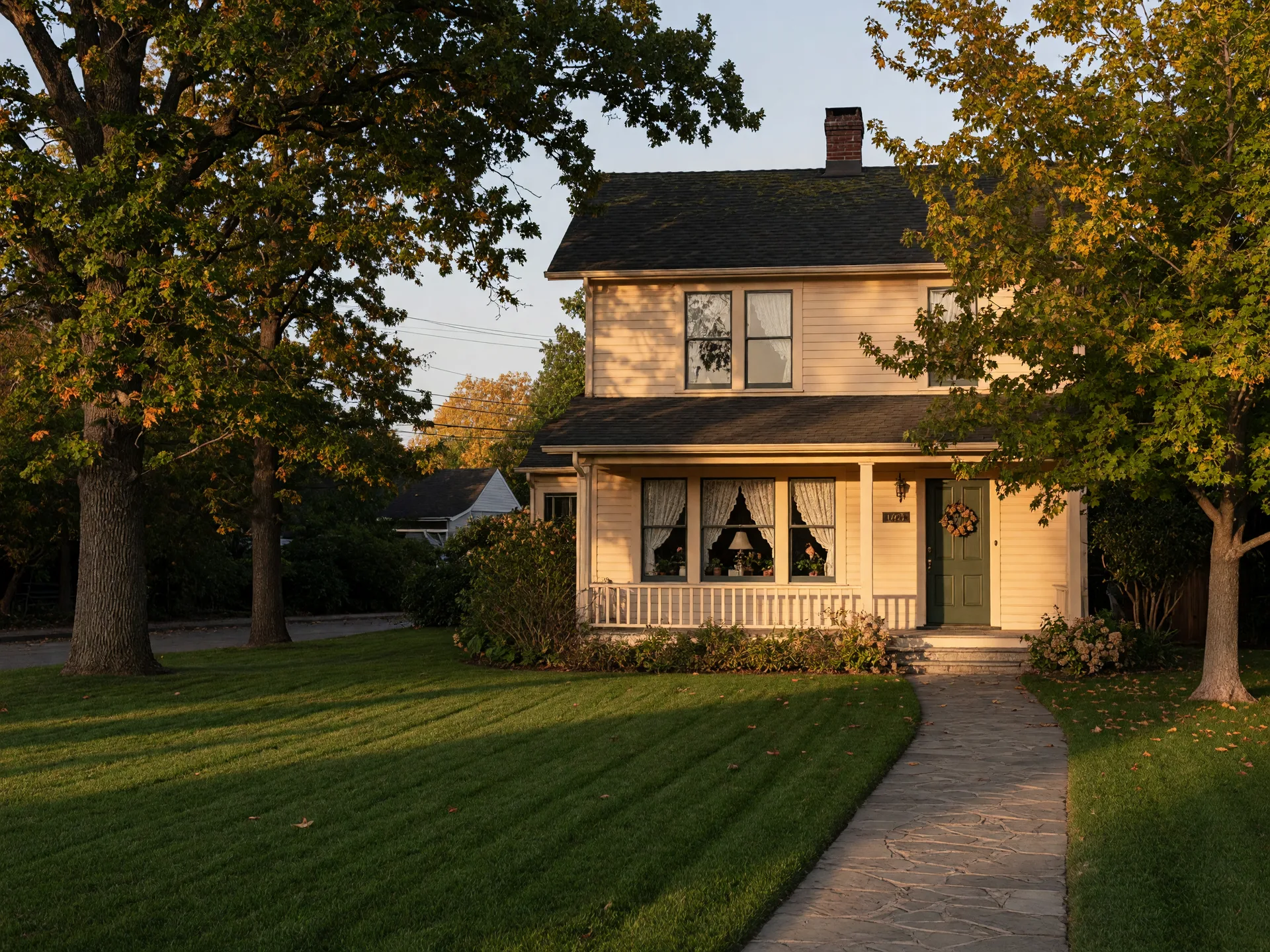
The home is usually the largest single asset in an estate, and the one families care about most.
The big question
The answer usually comes down to how the home was titled and whether a trust owns it. Here is the honest breakdown.
Probate is usually needed when
No trust, no joint owner, no named beneficiary. The property legally needs a new owner, and in California probate is the standard route to make that official.
For deaths on or after April 1, 2025, real property under about $69,625 can pass with a small estate affidavit, and personal property under about $208,850 can too. Above those limits, a full probate is usually required.
When someone dies without a will, the court must appoint an administrator and decide who inherits under California law. A will with real property still needs the court to validate it and give the executor authority.
Probate is usually not needed when
If the home was owned in joint tenancy, it passes automatically to the surviving owner. A certified death certificate and a recorded transfer deed are usually all the paperwork needed. No probate.
When the home is owned by a living trust, it passes to the trust beneficiaries according to the trust document, outside the court process entirely. This is the most common reason a family home never goes through probate.
If the total value fits the state's small estate limits, heirs can collect personal property with a small estate affidavit instead of a full probate. A smaller real property affidavit applies to a single home under the limit.
Even when probate is not required, paperwork still happens: the survivor needs certified death certificates and often a small estate affidavit or a recorded transfer deed. The dollar limits are adjusted periodically and are keyed to the date of death, so confirm the current numbers with a local attorney before assuming anything.
The process
This is the shape of a typical California probate. An estate attorney runs the legal side; the executor handles the day-to-day with their guidance.
A family member, or the person named in the will, files a petition with the probate court in the county where the deceased person lived. The court schedules a hearing, usually a few weeks out.
At the hearing, the judge names the executor, or appoints an administrator when there is no will, and issues Letters of authority. That document is the executor's legal permission to manage the estate.
The executor must formally notify heirs, beneficiaries, and creditors. By California law, creditors then have four months to file any claims against the estate before they are closed out.
The executor locates every asset: bank accounts, vehicles, investments, and the home. A court-appointed probate referee appraises the larger items, and the home gets an official probate value.
The mortgage, property taxes, valid creditor claims, and any taxes that apply are paid from estate funds before anyone inherits. The executor keeps careful records for the court.
With debts settled, the executor asks the court to approve how the remaining property is distributed. The judge signs off, heirs receive their shares, and the estate closes.
Timelines and costs
Two questions every family asks, and the honest California answers are: count on roughly a year to a year and a half, and plan for fees set by state law, not by a free market.
Several weeks to a few months
From filing the petition to receiving Letters of authority, including the court hearing where the executor is named.
A fixed four months
California law gives creditors four months to file claims. This window drives most of the calendar, since the estate cannot fully close until it expires.
Several months
Asset collection, the probate referee appraisal, and paying valid claims. This is where the bulk of the process happens.
A year to a year and a half, often
A typical estate finishes in roughly 12 to 18 months from filing. Simple estates can move faster; contested or complicated ones run longer.
Statutory fees
By state law, both the attorney and the executor are each paid on this sliding scale, based on the gross value of the estate, not on what the heirs actually receive.
What it means in dollars
$26,000
Combined attorney and executor fees on a $500,000 estate: $13,000 to each.
$46,000
Combined on a $1,000,000 estate: $23,000 to the attorney and $23,000 to the executor.
Court filing fees, the probate referee appraisal, publication costs, and a possible bond are separate and paid by the estate. Executors can decline their fee, and attorneys can agree to charge less than the maximum, which families often do.
Fee and dollar figures change over time and vary by estate. An estate attorney is the right person for exact numbers on your situation.
Probate and real estate
The home is usually the largest asset and the part families care about most. Here is how it sits inside the probate process.
If the estate needs cash to pay debts, taxes, or to divide proceeds among heirs, the executor can sell the home. The sale is appraised and marketed like any listing, then presented to the court for approval.
In California, a probate home sale is typically confirmed at a court hearing. The judge checks the price is fair, generally at least about 90% of the appraised value. Other buyers can bid that day: the first qualifying overbid must top the offer by 10% of the first $10,000 plus 5% of the amount above that.
Families hear "estate sale" and picture furniture and boxes being sold. In real estate, an estate sale means the property itself is sold by the estate. The proceeds go to the estate, then to creditors and heirs in the order the court directs.
The executor is a fiduciary, meaning they must act for the estate and the heirs, not themselves. That includes keeping the home secure and insured, staying current on payments, and getting the best reasonable price if the home is sold.
The home does not have to be sold. If the estate can afford to keep it, the court can transfer it directly to the heirs, and a family member can also buy it from the estate. That is often how a family home stays in the family.
Every step of probate runs on filed documents: the petition, the Letters, notices, the inventory, the petition to confirm a sale, and the final accounting. Missing a deadline costs time and money, which is why an experienced team matters.

How I can help
Estate-driven sales happen at the hardest moments in a family's life: after a parent dies, during a divorce, or when an executor who has never sold a home suddenly has to manage one. I have guided families through those situations for more than 20 years in Marin and Sonoma counties, and I know how different they feel from a normal sale.
My job is to protect the estate's value and to make the process as calm and clear as it can be. I work directly with the executor and the estate's attorney, keep the family informed, and never pressure anyone into a decision. The house may be full of memories; the sale should still be handled with care and with respect for what the family is going through.
If you are an executor, a trustee, or a family member trying to understand what happens to a loved one's home, a conversation costs you nothing. I will walk you through the options plainly, and I am happy to be one voice among your estate attorney, accountant, and other advisors.
Everything you tell me stays confidential. I work for you and your family, not for the estate or the court, and I am happy to talk before you commit to anything.
Whether you are an executor, a trustee, or a family member, I will give you honest answers about value, timing, and next steps, without pressure and with full respect for what your family is going through.
Prefer to talk now? Call or text (415) 328-2637 or email pjschardt@gmail.com. I answer quickly, day or night.
Probate involves court procedures, legal deadlines, and tax questions. I am a real estate agent, not an attorney or tax advisor, so please also consult the estate's attorney and a tax professional about your specific situation. California DRE 01702383.