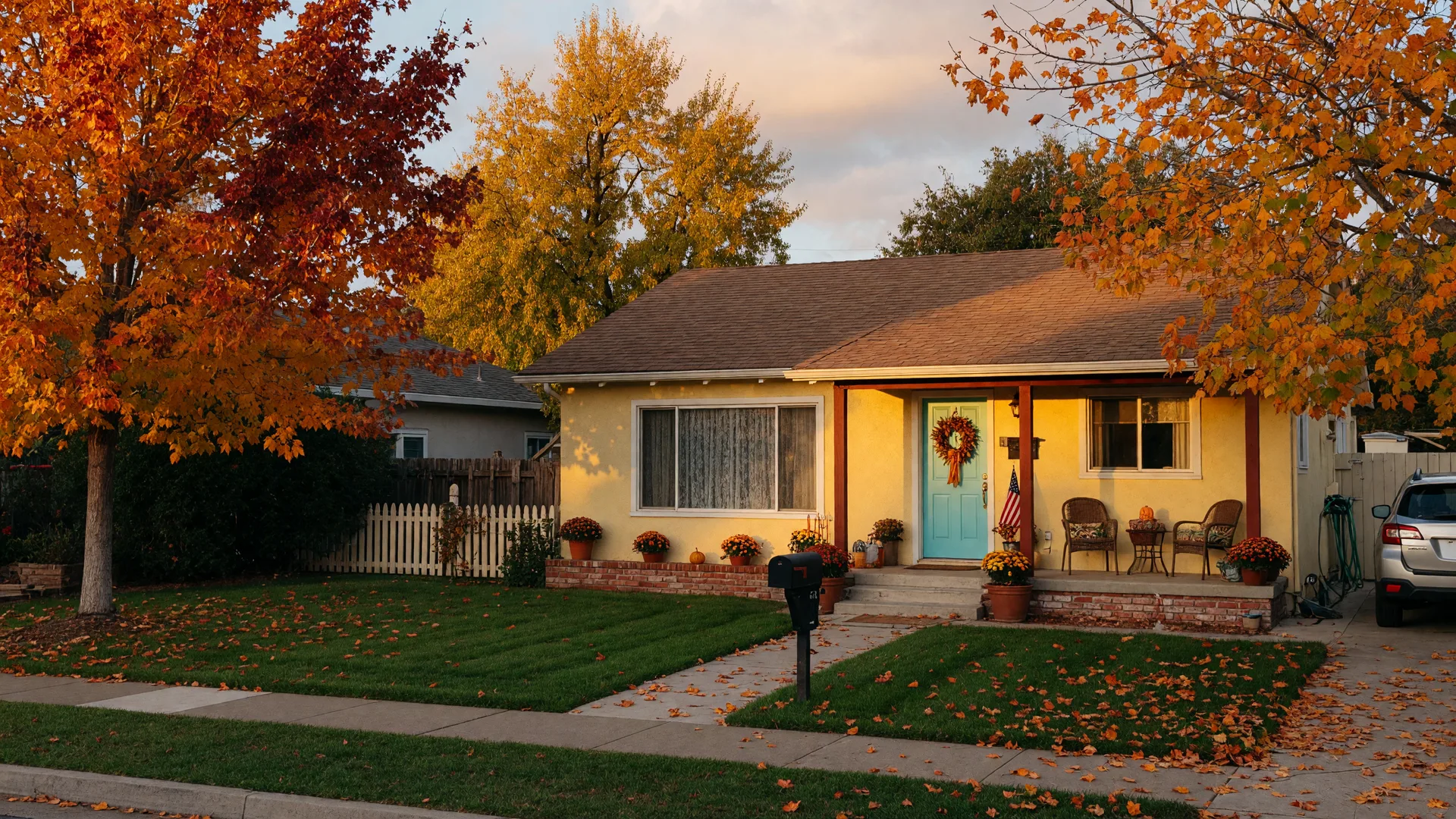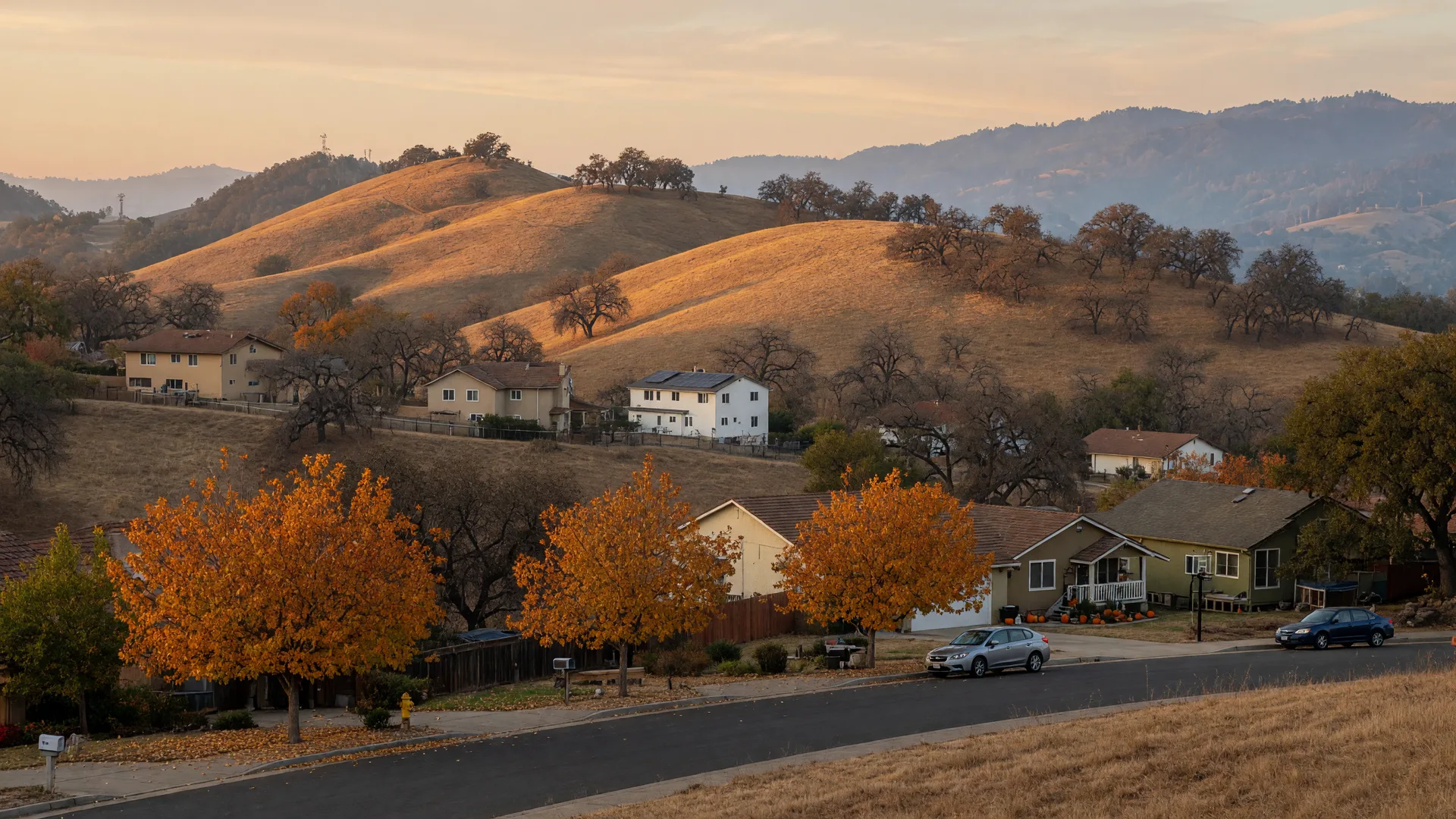
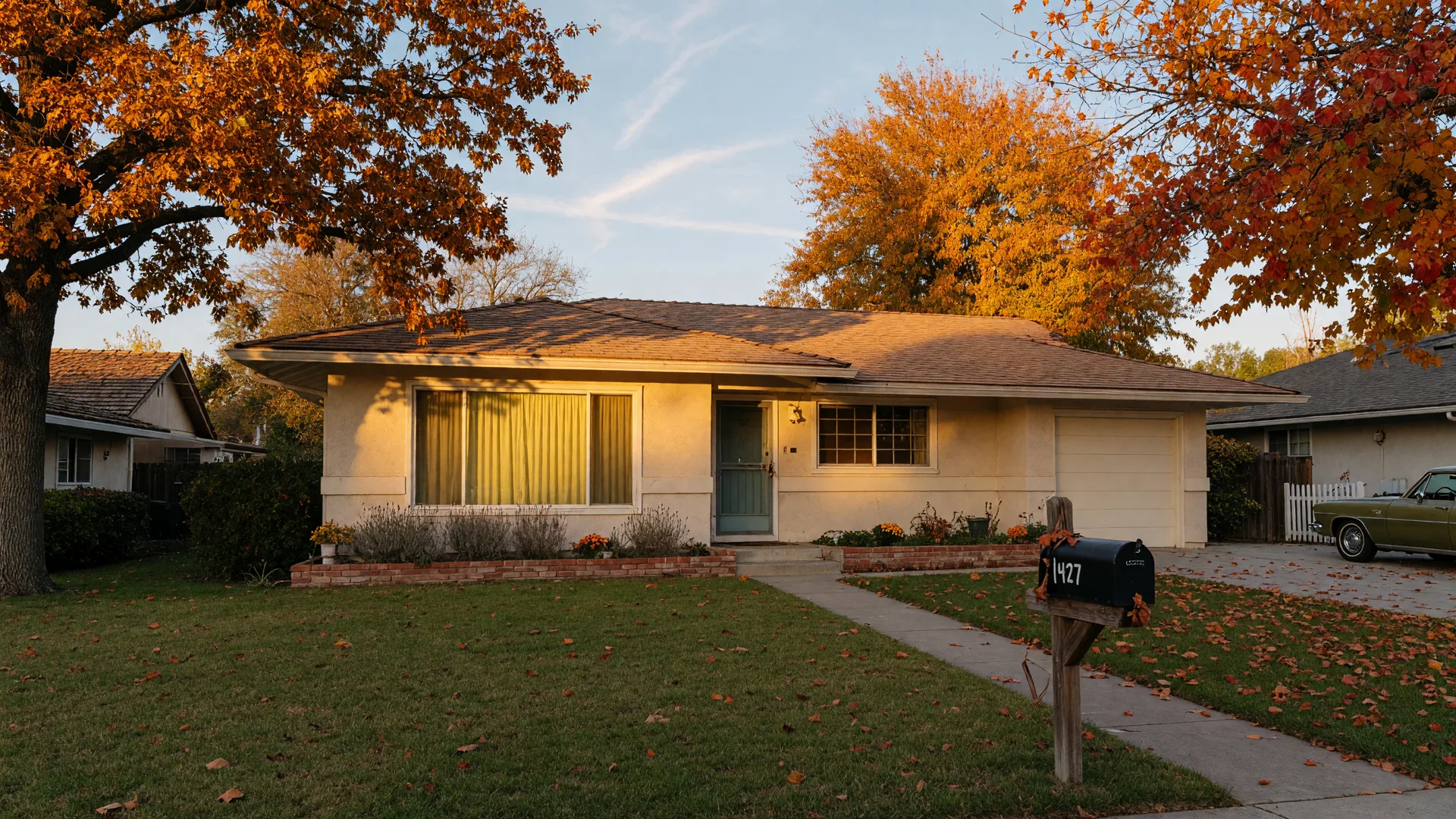
Who pays the property taxes when you buy a home in Novato or Petaluma this fall? The short answer: at closing, escrow splits the current bill fairly between you and the seller, and then a second bill you may not expect follows months later. With the first installment of California's secured property taxes due November 1 and delinquent after December 10, this is exactly the question buyers closing before the holidays are asking right now. Here is the straight version of how it works.
When are California property taxes actually due?
California's property tax year runs July 1 through June 30, and the bill arrives in two installments. The first, covering July through December, is due November 1 each year and becomes delinquent at 5 p.m. on December 10 (this year, that is Thursday, December 10, 2026). The second installment, covering January through June, is due February 1 and becomes delinquent after April 10. Pay after the delinquency date and you owe a 10 percent penalty on the unpaid installment, plus a small collection cost on the second half. Marin County runs its tax calendar on exactly these dates, so if you own a home in Novato, that November 1 due date applies to you.
Who pays at closing when you buy this fall?
If you close in November or December, you do not write a separate property tax check at the table. Instead, escrow prorates the current year's bill by ownership days, and the numbers appear as line items on your closing statement. The seller pays for the days they owned the property, and you pay for the days after closing, calculated as the annual tax divided by 365 multiplied by the days each party owns the home. If the seller already paid an installment that covers part of your ownership period, your closing credits reimburse them. It is one of those details your agent and escrow officer walk through line by line, so the bill never lands on you twice.
What is the supplemental tax bill?
Here is the part that surprises most first-time owners. Your purchase price resets the home's assessed value under Proposition 13, and the county reassesses the property after the sale records. That triggers a supplemental bill for the difference between the old assessed value and your purchase price, prorated from the first day of the month after your closing through June 30. Close in November and you pay roughly seven months of that difference; close in December and it is about six. Because fall closings fall between June 1 and December 31, you receive one supplemental bill, and it arrives months later, typically the following spring or summer once the assessor finishes the work. It is separate from your regular annual bill, and your monthly impound payment does not cover it. The amount depends entirely on how far your purchase price sits above the old assessed value.
The homeowners' exemption is a small form worth filing
One short form saves most owners around $70 a year. California exempts $7,000 of your home's assessed value when it is your principal residence, which at the state's roughly 1 percent base rate works out to about $70 annually. You claim it by filing the homeowners' exemption form (BOE-266) with the Marin or Sonoma County assessor. Your agent or escrow officer can point you to it, and many counties mail it with your closing paperwork. It is a two-minute task buyers routinely forget until the first bill arrives.
What this means for your fall budget
When I walk buyers through a November or December purchase, I add two numbers to the budget that lender estimates often leave out: the prorated tax credit at closing and the supplemental bill that lands next spring. Plan on property taxes at roughly 1 percent of the purchase price each year, plus any voter-approved bonds and parcel taxes in your specific town, and set something aside for the supplemental. That is not a reason to wait; inventory in Novato and Petaluma is thin and serious buyers are out there. It is a reason to walk in with your eyes open.
If you have a closing coming up, or you are weighing a fall offer and want the real numbers for your situation, call or text me at (415) 328-2637, or send a message. I have guided buyers through dozens of fall and winter escrows, and I will walk you through every line. Love where you live.
Dig deeper

Written by
Peter Schardt
21 years in real estate, 100+ homes sold, and a lifetime in the North Bay. Sales Associate · 01702383 · California.